University news
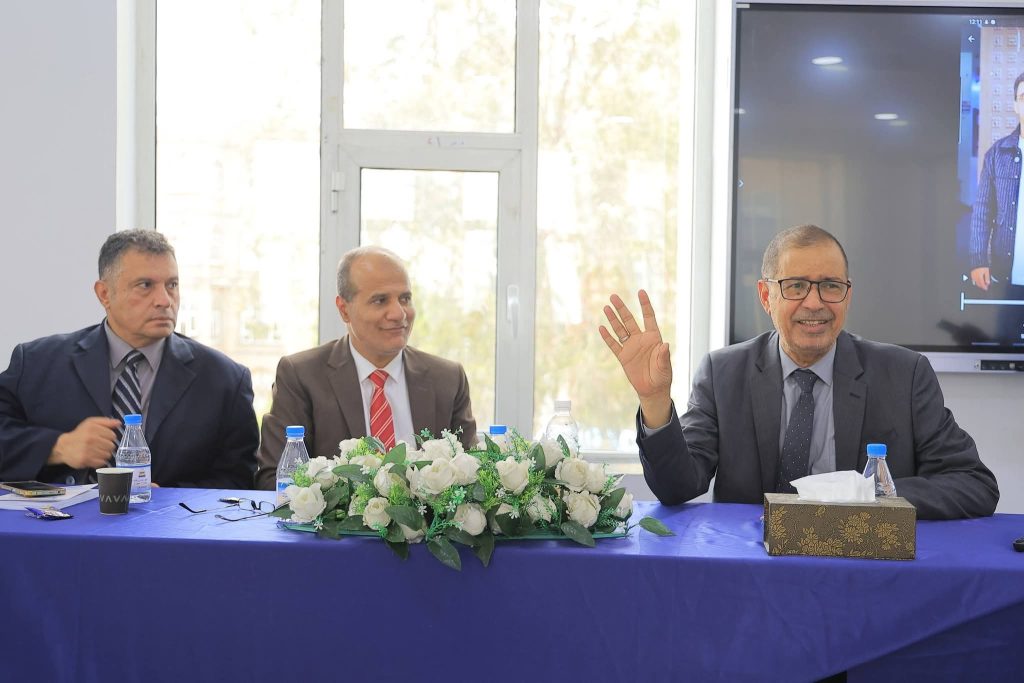
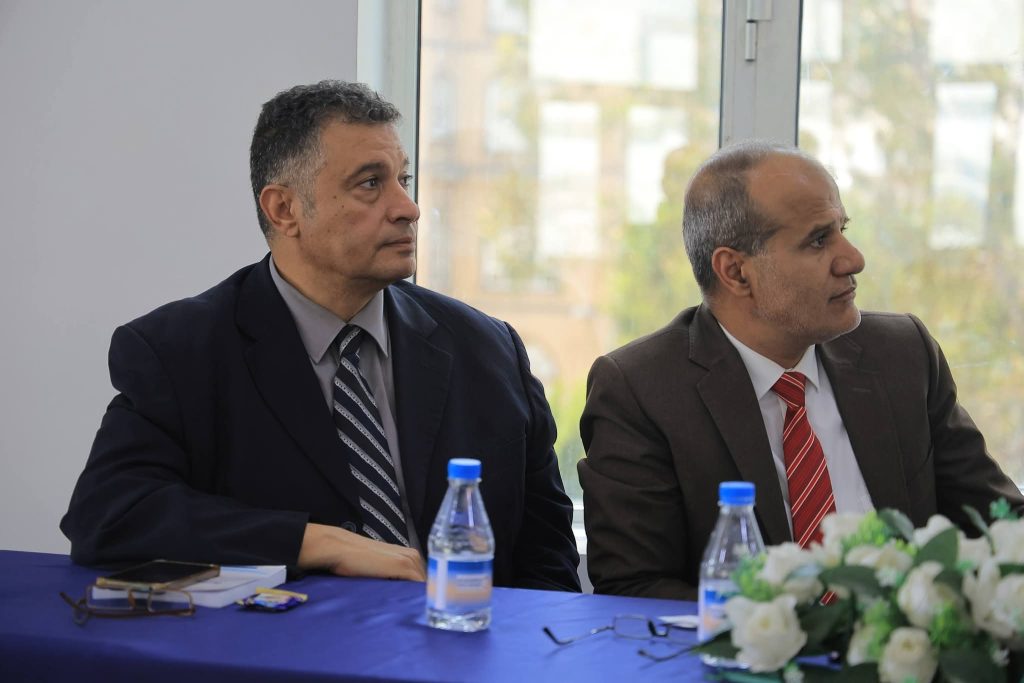
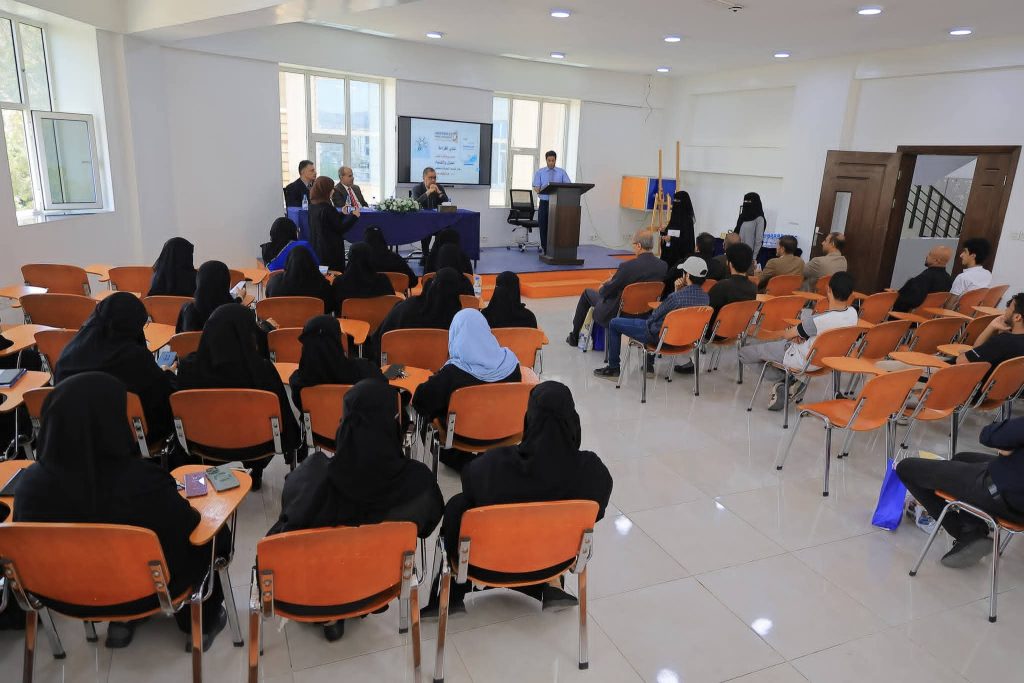
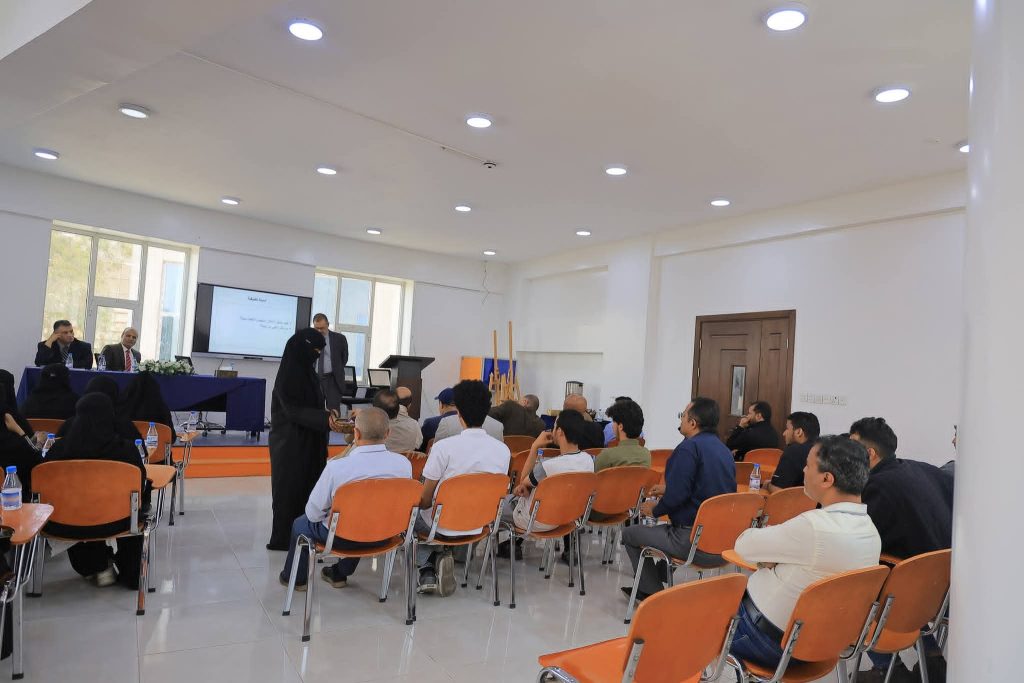
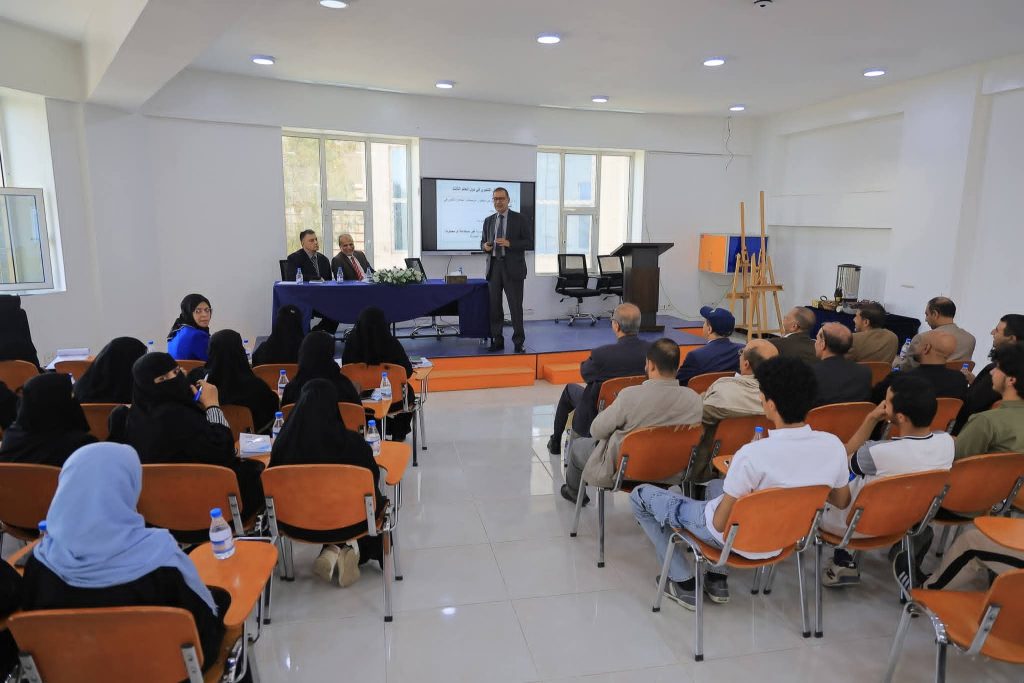
In a cultural setting reflecting its deep belief that nations are built by intellect before infrastructure, Ar-Rasheed Smart University commemorated World Book and Copyright Day today, Thursday, April 23, 2026. The university hosted a distinguished panel discussion on the book titled: "Imagination and Development: The Low-Cost Knowledge Economy Bet," authored by the University President, Prof. Dr. Abdul Latif Haidar, in the presence of esteemed academic and administrative staff and university members.
The event was organized by the Central Library and the Department of Student Activities and Services. It served to reaffirm that the university views books not merely as knowledge containers, but as projects for raising awareness, building the future, and platforms for redefining the relationship between humanity and development in an era where progress tools are evolving at an unprecedented pace.
At the opening of the session, Mr. Ibrahim Azzan, Director of Student Activities and Services, welcomed the attendees and highlighted the author's scientific biography. He noted that the book represents an advanced intellectual vision linking imagination, as a human energy, with development as a viable civilizational project.
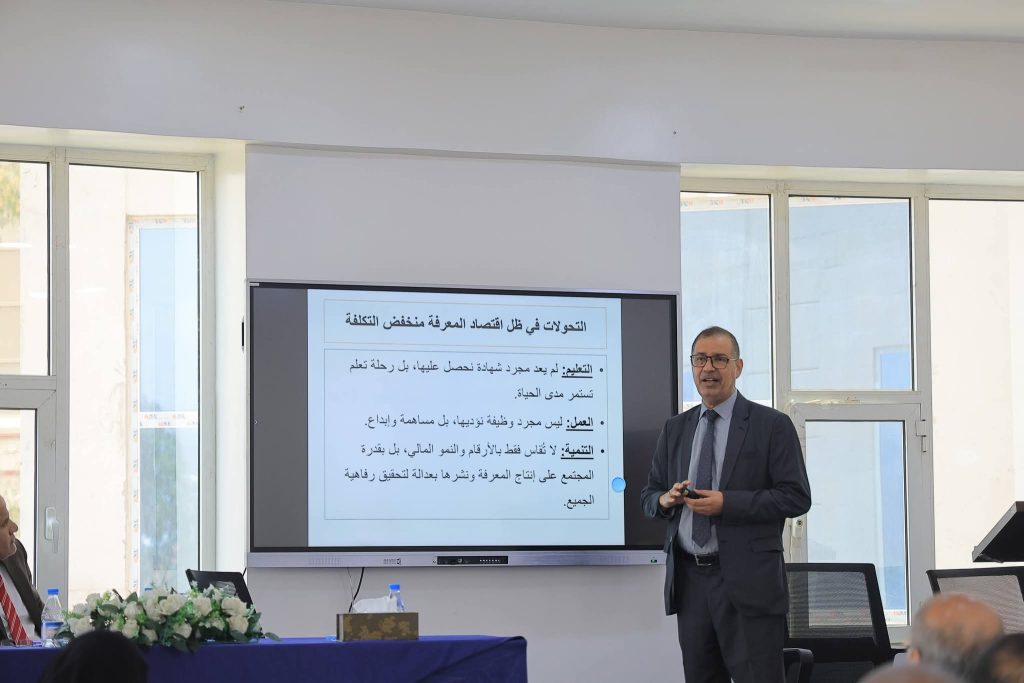
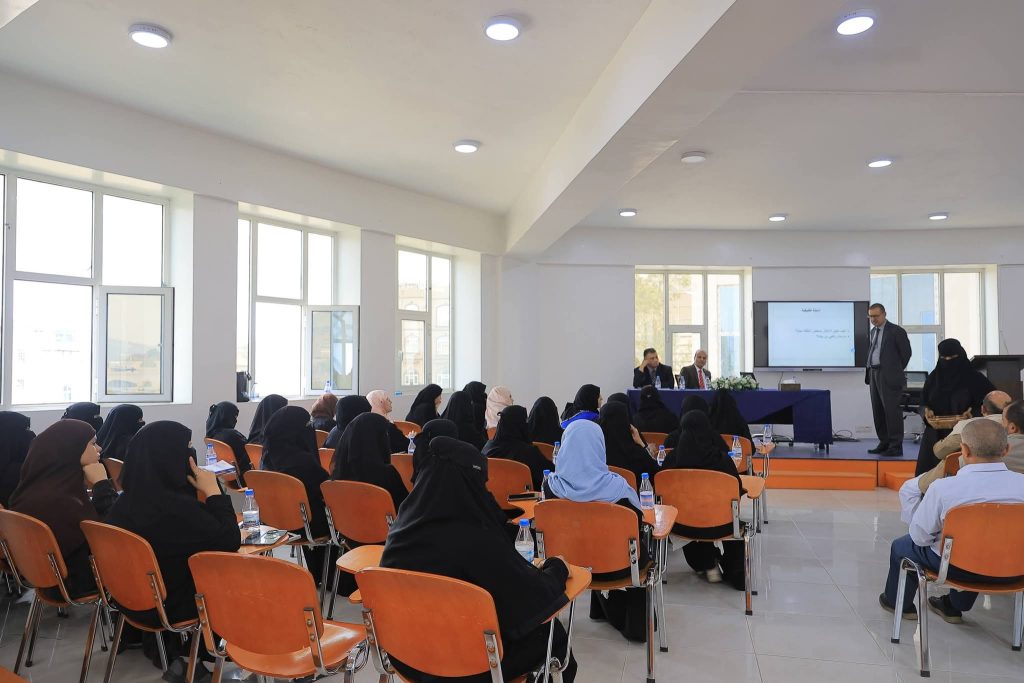
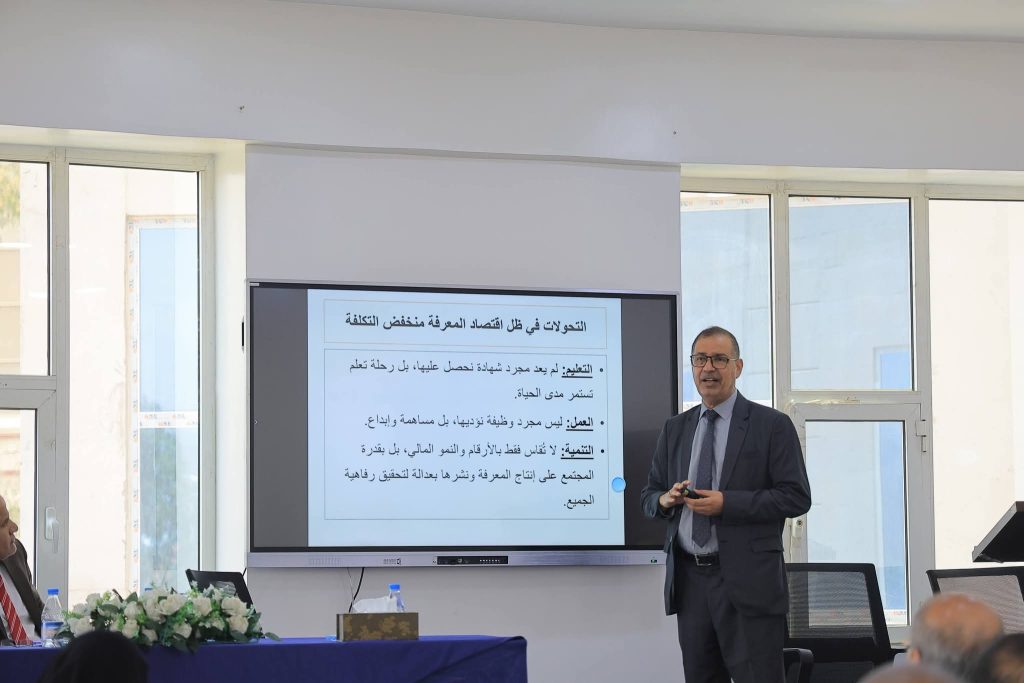
For his part, Prof. Dr. Abdullatif Haidar delivered an in-depth presentation on the book’s core themes. He explained that his vision is based on three main pillars: redefining problems by understanding the relationship between imagination and resources; identifying solution tools through a low-cost, innovation-based knowledge economy; and anticipating the future through artificial intelligence and cognitive sovereignty.
He emphasized that today's major global transformations have imposed a new concept of education, work, and development. Education is no longer just a certificate but a continuous learning path; work is no longer a traditional job but a space for creativity; while true development is now measured by a society's ability to produce and fairly distribute knowledge for human welfare.
The author clarified that a low-cost knowledge economy considers the human being as a productive asset, knowledge as an open resource, and rapid learning as a tool for progress. He pointed out that the future is no longer exclusive to the highest-spending countries, but belongs to societies most capable of employing the mind and building networks.
During the session, the author reviewed several international models, including Bolivia's experience in rapid economic reforms and Haiti's experience in importing agricultural development models. He explained how replicating development experiences without understanding local specificities can lead to counterproductive results. He stressed that building true development does not start by importing solutions, but from within—from the human being, their awareness, and their ability to transform imagination into a viable developmental project.
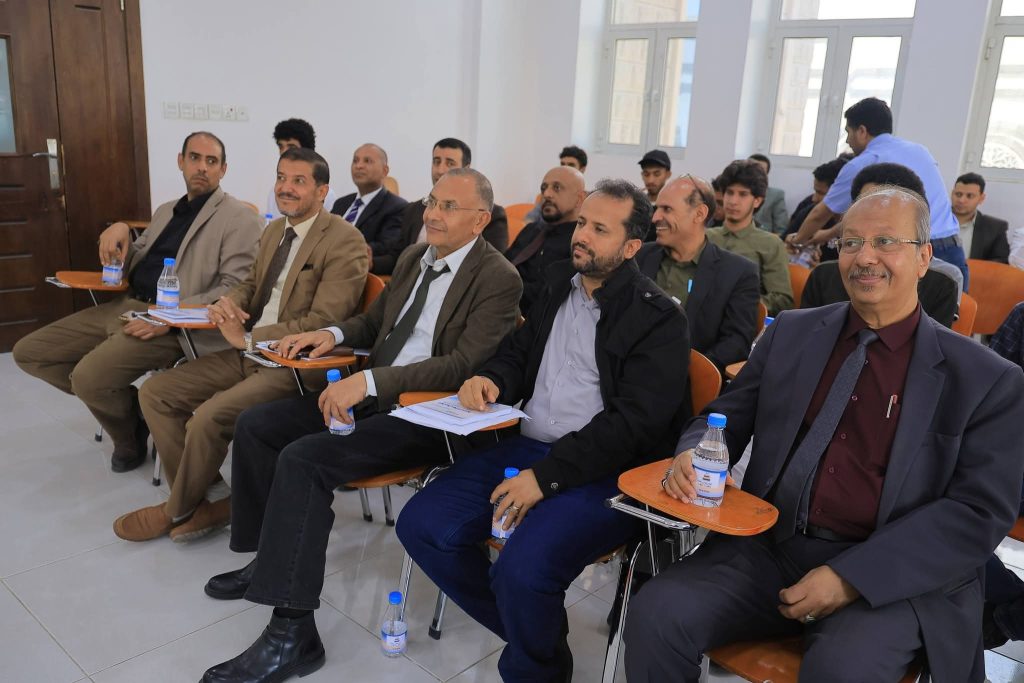
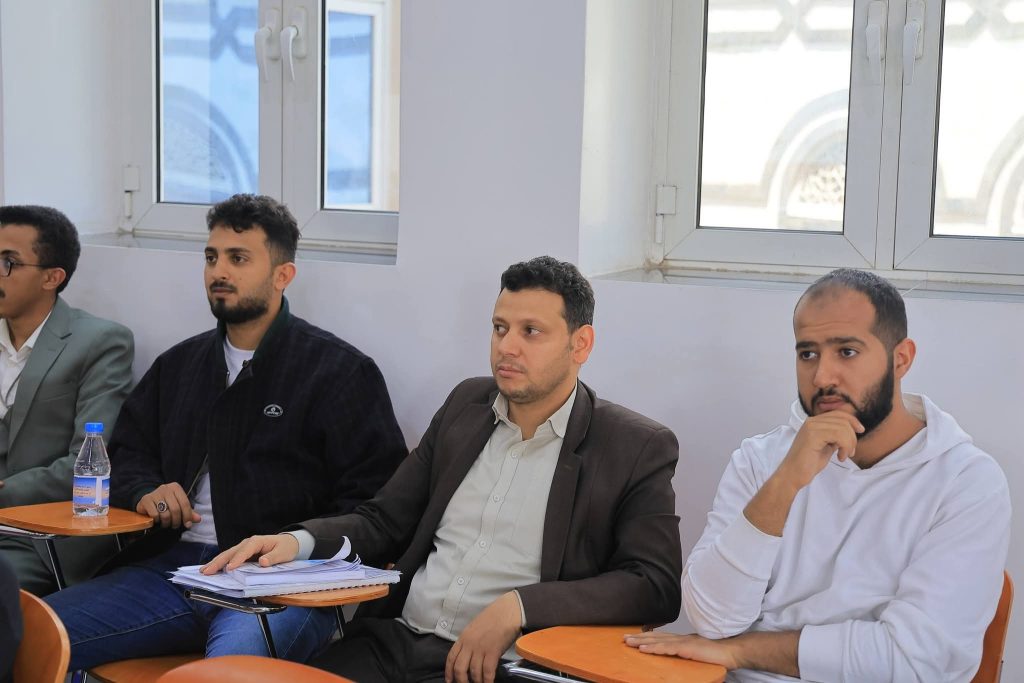
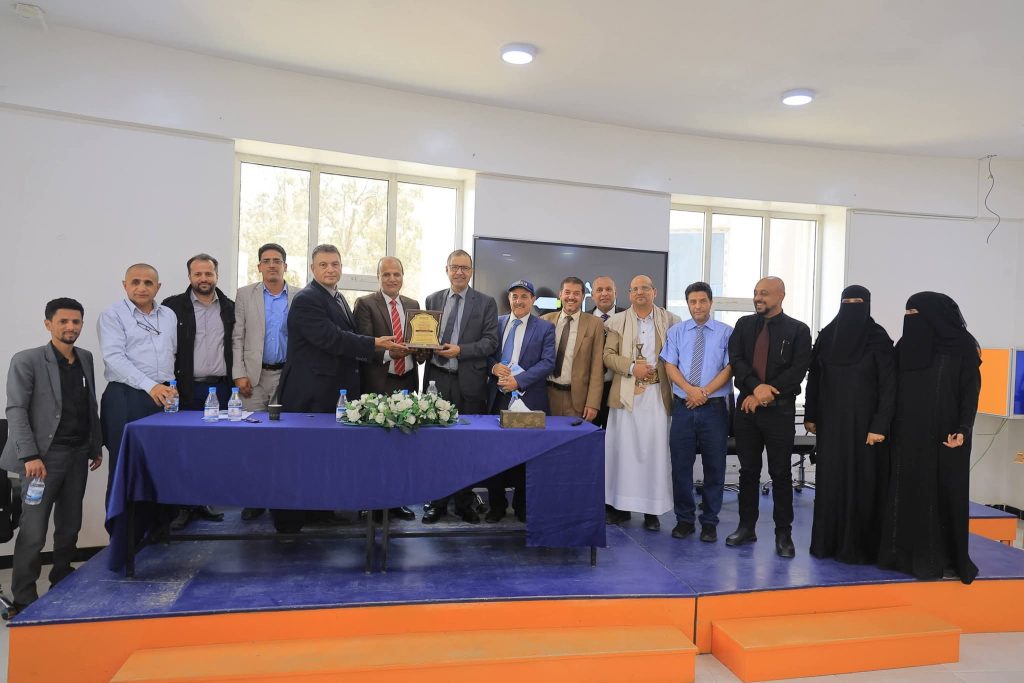
The event witnessed extensive interaction from the audience through questions and interventions, embodying the vitality of intellectual dialogue within the university. The session concluded with the honoring of Prof. Dr. Abdul Latif Haidar in recognition of his scientific contributions and intellectual efforts in enriching the Arabic library with works that open new horizons for future generations in understanding development and shaping the future.